The results of poor food safety can be serious, resulting in consumers becoming seriously ill and food businesses being prosecuted for a lack of health and safety. Therefore, it is important to know what constitutes poor food safety and how to avoid this.
There are a range of hazards associated with food safety, which could be biological, chemical, physical or allergenic. Therefore, it is important to understand how to control hazards of food safety, to protect consumer health as far as possible.
The fundamental principles of food safety and hygiene can be considered as cleaning, cross-contamination, chilling and cooking. As a food business, it is important to uphold principles such as these to ensure your food practice is safe and hygienic, which will reflect positively on your organisation.
The consequences of poor food hygiene can seriously affect the health of those who consume food, including severe food poisoning. Therefore, the legal action taken against those who have allowed poor food hygiene practice to take place is severe. The UK Food Standards Agency work hard to establish food hygiene standards in food businesses across the UK, and those who don’t comply will be investigated.
Food poisoning usually occurs after someone consumes contaminated food. However, food poisoning can be infectious and transfer from person to person. It is important to understand how food poisoning must be treated, to ensure those around you are not infected by your germs.
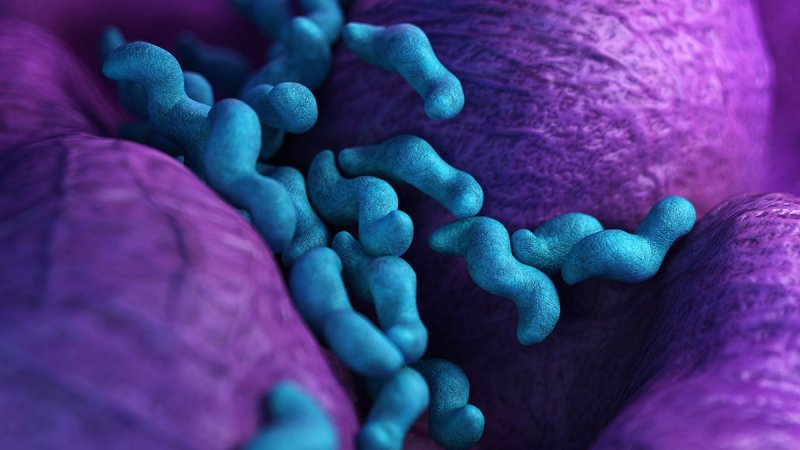
Food poisoning can be dangerous if the food which has been eaten is contaminated with dangerous bacteria, viruses or germs. Typically, food poisoning is not overly serious and can be treated at home with home remedies, and tends to clear up within a week. However, it is important to know what to do if food poisoning is dangerous.
Food poisoning is caused by the contamination of food via biological, chemical, physical and cross contaminated germs. Food poisoning can be very unpleasant and can be transferred between people. Therefore, it is important to understand how food poisoning occurs and how it can be avoided.
You can get food poisoning due to the contamination of food by bacteria, viruses, pathogens and germs, which enter our bodies and result in an uncomfortable experience of food poisoning. Food contamination occurs when food is mis-handled, not cooked correctly or stored correctly by an individual who has been trusted to produce and serve food.