








A law firm’s culture is one of the most powerful drivers of compliance, risk management and professional behaviour. Even the strongest policies and controls can be undermined if day-to-day behaviours and leadership attitudes do not support ethical decision-making and accountability.
In an environment of regulatory scrutiny, high expectations from clients and intensifying professional standards, law firms are being asked not only to comply with the rules but also to demonstrate a real culture of compliance. This requires moving beyond formal policies to understanding how behaviour, leadership and internal dynamics shape outcomes.
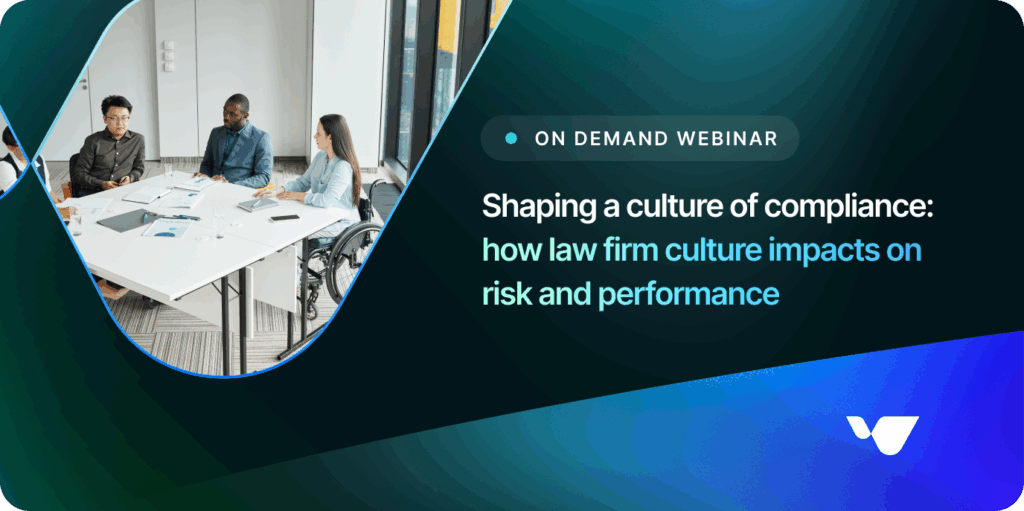
VinciWorks experts were joined by special guest Pearl Moses, Head of Regulatory Compliance, COLP, MLRO & MLCO at Setfords, and author of the new book Owning Up to Mistakes: A New Approach to Legal Culture, for a practical and thought-provoking session on building healthier, more resilient legal workplaces.
This webinar explored the real-world impact of law firm culture on compliance risk, using practical examples and lessons learned from professional services environments. We examined how cultural strengths and weaknesses influence decision-making, how mistakes are handled, and what organisations can do to encourage openness and accountability.
What this session covered
- How law firm culture directly influences compliance risk and ethical behaviour
- Common cultural drivers of misconduct, mistakes and underreporting in legal practice
- Real-world examples of cultural failures and what organisations can learn from them
- The role of leadership in setting expectations and modelling ethical behaviour
- Creating safe environments for reporting mistakes and raising concerns
- Turning compliance from a “tick-box” exercise into a lived organisational value
- Practical strategies for embedding a culture of accountability and continuous improvement
- How training, supervision and internal communications shape behaviour in practice