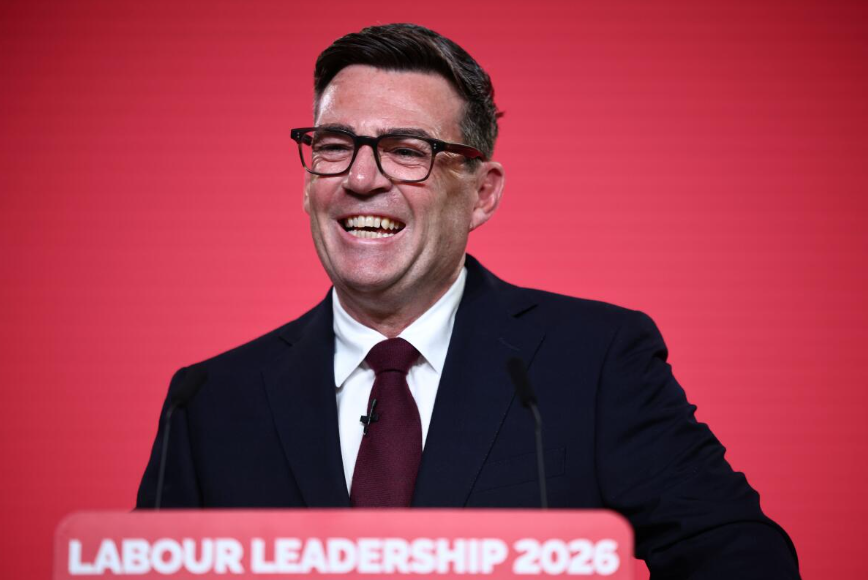
The Keir Starmer compliance scorecard: What did Labour deliver, and what will Andy Burnham do next? What has the Keir Starmer government achieved for compliance and what will Andy Burnham do for business and regulation as prime minister? Nick Henderson-Mayo July 19, 2026
The new HIPAA Security Rule: what compliance teams need to prepare for What the proposed HIPAA Security Rule means for covered entities, and how compliance teams can prepare for new cybersecurity requirements. Nick Henderson-Mayo July 14, 2026
FCA compliance in 2026: What’s changing and how VinciWorks training helps you stay compliant Explore the FCA compliance changes taking effect in 2026 and how VinciWorks’ new and updated training helps firms stay prepared. Nick Henderson-Mayo July 13, 2026
What are examples of all reasonable steps to prevent sexual harassment? The Employment Rights Act requires employers to take all reasonable steps to prevent sexual harassment. What are examples of reasonable steps? Nick Henderson-Mayo July 12, 2026
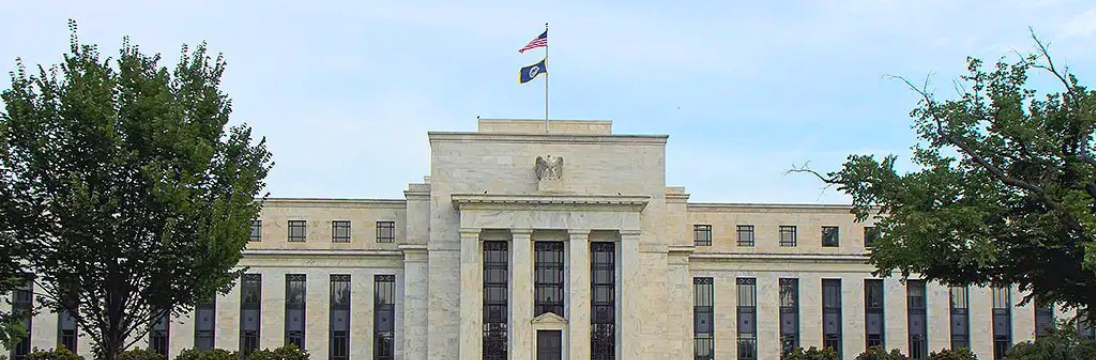
US prepares for financial services AML overhaul FinCEN and the Federal Reserve are reshaping US AML compliance around risk and outcomes. Here is what financial institutions need to do now. Nick Henderson-Mayo July 9, 2026
All reasonable steps to prevent sexual harassment: Frequently asked questions What does 'all reasonable steps' to prevent sexual harassment in the Employment Rights Act mean? What should employers do before 30 October? Nick Henderson-Mayo July 8, 2026
Sexual harassment regulation in Great Britain: What does the law say? From October 2026, employers must take all reasonable steps to prevent sexual harassment. Here is what the Employment Rights Act requires now. Nick Henderson-Mayo July 7, 2026
HMRC’s new naming policy raises the sanctions breach risk HMRC’s new naming policy makes reputational exposure a central part of sanctions settlement risk that firms should take into account. Nick Henderson-Mayo July 6, 2026
Major modern slavery reforms coming to the UK: What the Immigration and Asylum Bill will change The Immigration and Asylum Bill would make modern slavery statements mandatory with £1m penalties. Here is what businesses must do now. Nick Henderson-Mayo July 2, 2026