










The Crime and Policing Bill has entered its final and most technical phase in Parliament, with both Houses now resolving the last points of disagreement before Royal Assent.
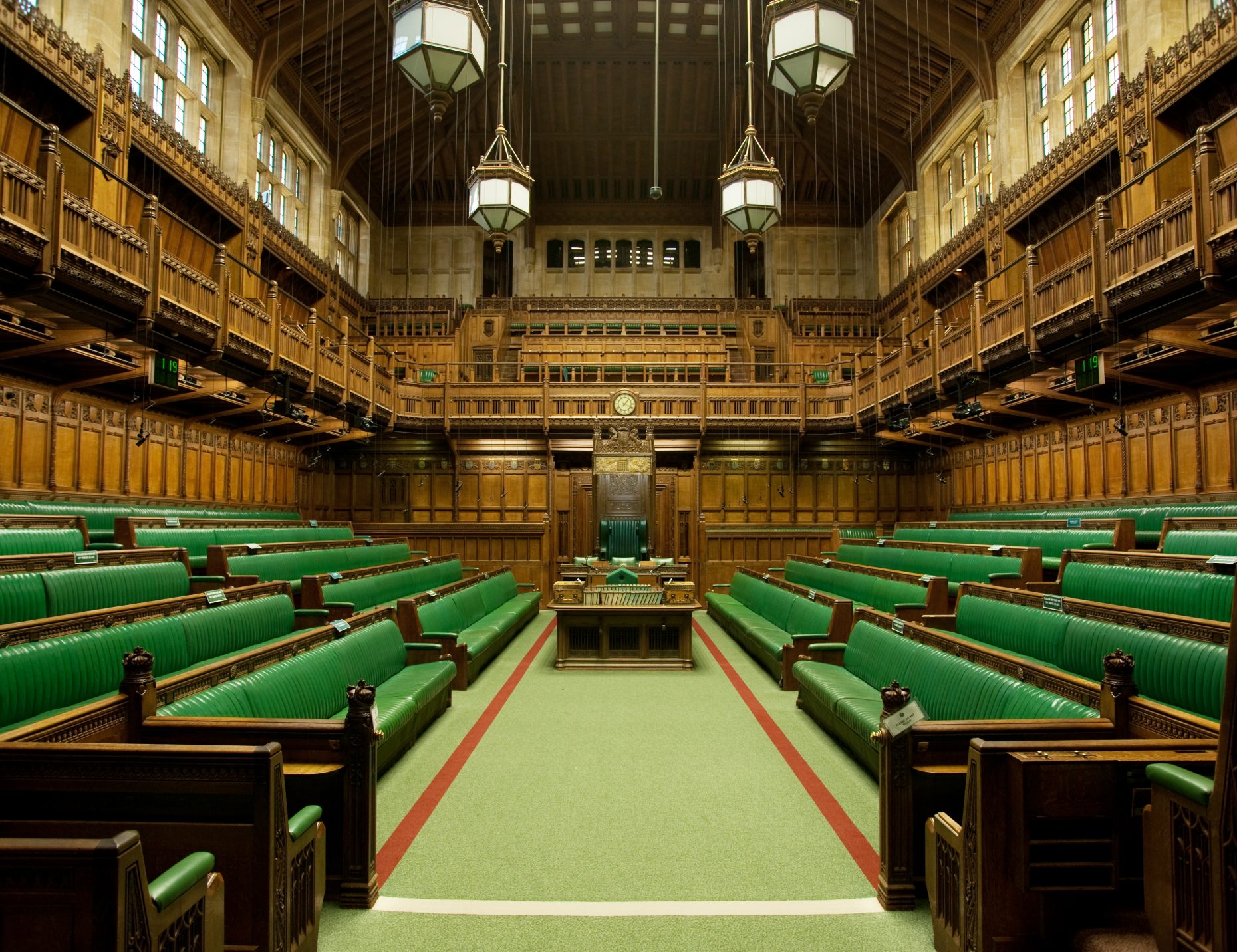
This week’s parliamentary schedule shows the Bill in ‘ping-pong’, where the House of Commons and House of Lords exchange amendments until a final text is agreed. That process is now tightly focused, with only a small number of contested provisions remaining.
Crucially, those remaining issues do not alter the Bill’s core compliance impact. The Crime and Policing Bill broadens how criminal liability is attributed to organisations through the actions of senior managers, making it far easier to prosecute corporates for a wider range of offences, from harassment to health and safety, rather than primarily economic crime in practice. The result is a significant increase in exposure: a single decision by a senior manager, taken within the scope of their role, can now place the organisation itself at risk of criminal liability. Firms should respond by strengthening senior manager training and ensuring compliance frameworks are robust in practice, not just on paper.
Where the Bill stands now
The Commons has already considered Lords amendments and either accepted, rejected or replaced them. The Lords has responded in turn, narrowing the areas of dispute.
At this stage, the outstanding issues are limited to a handful of policy areas:
- Fixed penalty notices for anti-social behaviour, particularly whether enforcement incentives are appropriately controlled
- Police powers to seize vehicles linked to fly-tipping
- Youth diversion orders, including how far courts must consider alternatives before use
- Measures linked to Iran-related terrorism and potential proscription requirements
Some earlier disagreements, including offences relating to child exploitation imagery, are now effectively resolved.
What happens next
If the Lords accepts the Commons position on the remaining issues, the Bill can proceed directly to Royal Assent within days. If the Lords insists on any amendments, the Bill will return again to the Commons for further consideration.
Given the narrow scope of disagreement, a compromise is the most likely outcome. We can expect:
- Final parliamentary agreement in April or May
- Royal Assent shortly after, potentially before prorogation
- Implementation dates staggered through late 2026 and into 2027, depending on the provision
The Bill’s compliance shift: from policy to liability
The Bill forms part of a broader tightening of the UK’s corporate criminal framework. Its practical impact sits alongside developments in failure to prevent offences, economic crime enforcement and senior manager accountability.
Across our recent analysis, five themes consistently emerge.
First, the expansion of corporate criminal exposure. The Bill increases the range of scenarios where organisations can be held liable for criminal conduct linked to their operations. This includes tax-related offences, explored in detail here.
Second, a sharper focus on senior management responsibility. Prosecutors are increasingly interested in decision-making at the top of organisations, not just operational failures:
Third, the real prospect of custodial outcomes linked to compliance failures. The direction of enforcement suggests that breaches are no longer purely financial risks and more custodial sentences could become a feature of compliance failures.
Fourth, the importance of organisational culture as evidence. Regulators and prosecutors are looking beyond written policies to whether compliance is embedded in practice. Tribunals and court cases are looking beyond the existence of a written policy to evidence of its application.
Finally, supply chain exposure is moving into sharper focus. Liability can arise from third-party conduct where oversight is weak or due diligence is inadequate. This is particularly true for firms working in higher risk industries or jurisdictions.