






What is Whistleblowing in Health and Social Care?

Our Whistleblowing courses Whistleblowing is where staff report concerns about wrongdoing, most commonly seen at work. It is seen across all industry sectors and is gathering momentum as an increased emphasis on transparency sweeps through society. The following types of concerns can be classified as whistleblowing: Unsafe patient care Poor clinical practice Failure to properly […]
What is Whistleblowing in Childcare?

Our whistleblowing courses Whistleblowing is where someone in an organisation passes on information about misconduct within the organisation that they believe has or will damage the public. Whistleblowing occurs in all types of organisations and across all sectors; childcare is no exception. Childcare services include childminders and nurseries. Children are especially vulnerable to harm, […]
What is Whistleblowing in Business?

Related Courses Whistleblowing is the reporting of wrongdoing by workers. Whistleblowing can either be internal or external. Internal whistleblowing is where workers report concerns to your business directly. This can benefit the subsequent investigation and management of misconduct. External whistleblowing, on the other hand, involves workers reporting their concerns to an external body. Promoting whistleblowing […]
What is Citizens Advice?

Citizens Advice (previously known as the Citizens Advice Bureau) aims to provide advice to people facing problems and to guide policymakers. Advice is free, independent, confidential and impartial, meaning the service is very approachable. Advice is offered on subjects ranging from benefits and debt to immigration and whistleblowing. They can assist with legal and employment […]
What is a Whistleblowing Policy?
Whistleblowing involves the reporting of wrongdoing that has, or could, negatively impact the public. Whistleblowers are workers and the misconduct is typically witnessed at work. A whistleblowing policy outlines an organisation’s stance on whistleblowing and offers instruction to workers who are considering blowing the whistle. The law does not demand that employers have a whistleblowing […]
How Do I Whistleblow?

Whistleblowing is where a worker reports misconduct in order to protect the public. The complaint must be based on your honest perceptions, made without malice and not personal. Essentially, as soon as you have offloaded your concerns and passed on all of the relevant information, the investigation is out of your hands. Whilst this means […]
Can a Whistleblower Remain Anonymous?

Related Courses As long as they fall into a prescribed category then yes, whistleblowers can remain anonymous. Whistleblowing is where workers report misconduct within an organisation which they believe has the potential to endanger the public. This may be criminal activities, environmental damage or health and safety threats, for instance. Concerns can be reported to […]
Are Whistleblowers Protected?
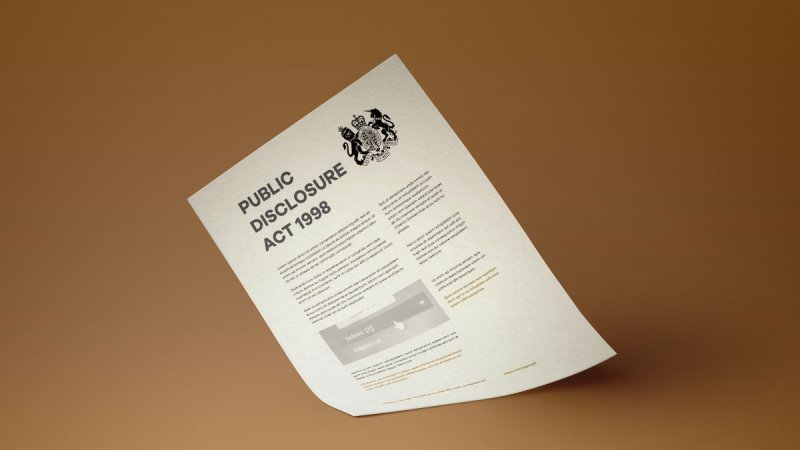
The majority of whistleblowers receive protection under the Public Interest Disclosure Act 1998. The Act sought to eradicate victimisation of whistleblowers by their employers and prevent their inappropriate dismissal. Organisations are gradually developing whistleblowing cultures in which it is acceptable, possibly bordering on expected, that workers will report misconduct at work. This helps to protect […]
Working at Height Risk Assessment
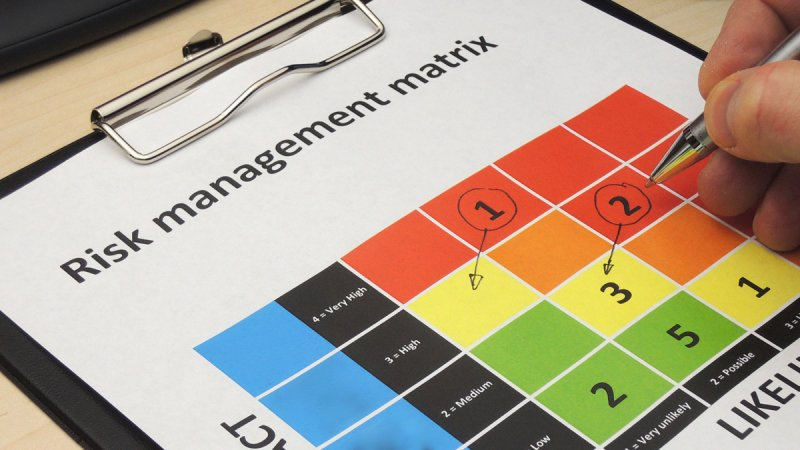
Working at height is a leading cause of workplace accidents, responsible for more fatal incidents than anything else. The definition of “work at height” is broader than the traditional idea of someone up on a ladder or scaffolding (although this type of work is of course included). It can take place above ground, or at […]