




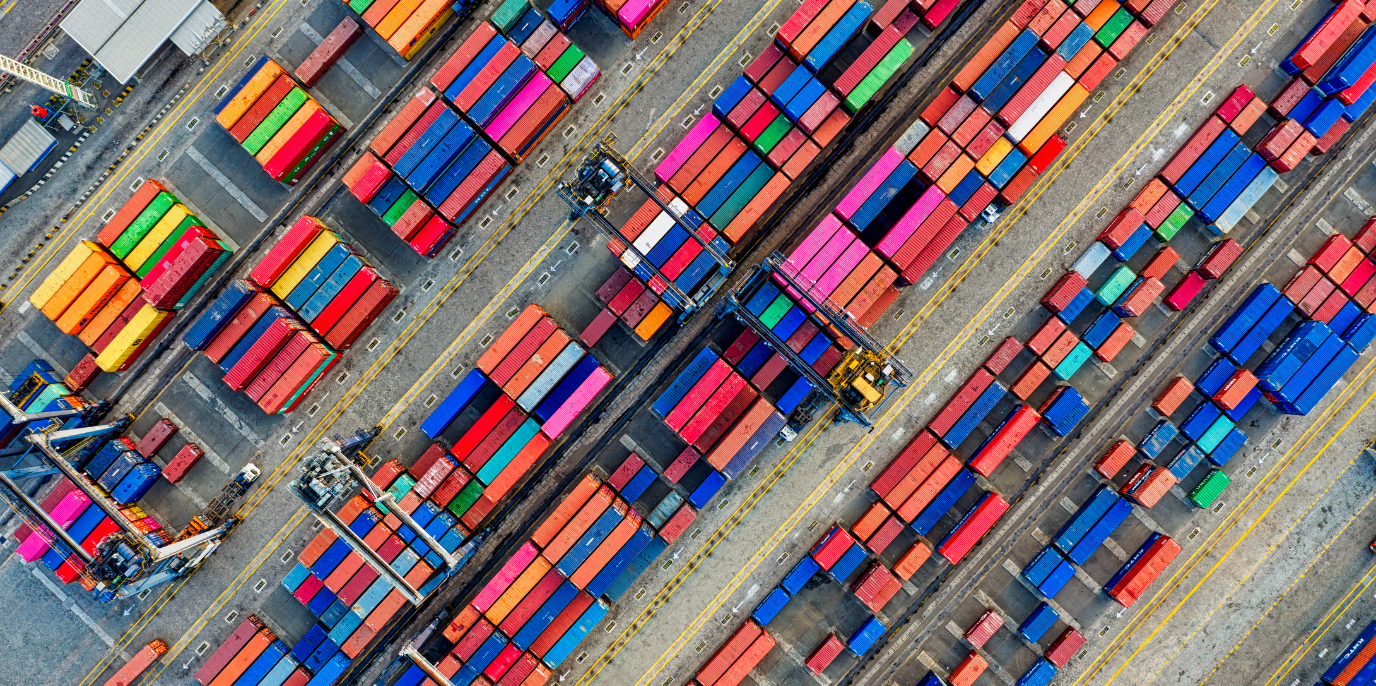
On 18 December 2025, U.S. Customs and Border Protection issued a new Withhold Release Order (WRO) covering certain automobile tyres manufactured in Serbia by Linglong International Europe D.O.O. Zrenjanin. The effect is immediate and practical: shipments of the covered tyres arriving at US ports are detained, and they do not enter the United States market unless the importer can resolve the forced labour concern.
That is the point worth underlining. Forced labour enforcement is not a reputational talking point or a corporate values debate. It is a border control and market access issue, and regulators are using it.
What happened and why CBP acted
CBP’s announcement states that the WRO was issued under Section 307 of the Tariff Act of 1930 (19 U.S.C. § 1307), which prohibits the importation of goods mined, produced, or manufactured wholly or in part by forced labour. The agency says it issued the order based on information that “reasonably indicates” the use of forced labour in the production of the covered tyres.
CBP also positioned the action as part of a wider enforcement pattern, describing the WRO as the fifth issued in 2025 and the second in Fiscal Year 2026. In other words, this is not a one-off statement of intent. It is an ongoing enforcement activity with real-world consequences for importers and for manufacturers selling into the US.
What a Withhold Release Order means in practice
A WRO is a detention tool. Once issued, CBP officers at ports of entry detain shipments of the covered goods. The goods remain detained unless the importer can successfully demonstrate that the products were not made with forced labour (or otherwise resolve the basis for detention), or the importer chooses to re-export or destroy the goods.
This is where due diligence stops being an abstract compliance exercise and becomes the difference between continuity and disruption. If you have not built traceability, supplier controls, and evidence trails into your procurement and compliance processes, “prove it” is not a realistic option. And if you cannot prove it, the commercial outcomes are stark: the shipment does not get released.
The broader message: enforcement is accelerating across markets
US border enforcement is only one piece of a wider shift. Across jurisdictions, lawmakers and regulators are moving from transparency-only expectations towards regimes that bite, including bans, penalties, and stronger supervisory powers.
In the UK, there is increasing momentum behind proposals that would move the country beyond a reporting-focused approach and towards a more enforceable business and human rights framework, with stronger expectations on how organisations identify and address harms in supply chains.
In New Zealand, the direction of travel is similar. Recent legislative developments include reform efforts that strengthen underlying slavery and trafficking offences and, separately, proposals that could introduce business-facing reporting expectations backed by penalties for large organisations.
And in the European Union, the Forced Labour Regulation will go further than transparency. It introduces a ban on placing and making available products made with forced labour on the EU market, including products that are imported and those produced within the EU. The European Commission’s own timeline states that the rules will start to apply on 14 December 2027.
Why this matters for compliance teams now
The most important lesson from the CBP tyre WRO is not limited to automotive supply chains. It is a preview of what “forced labour compliance” increasingly looks like in practice:
- Regulatory action is targeted and product-specific. One order can block an entire product line from a major market overnight.
- The burden shifts quickly to the importer and the business. If goods are detained, you need credible evidence and documentation to argue for release, not general assurances.
- Multiple markets are converging on tougher approaches. What begins as a US border enforcement risk becomes an EU market access risk, and it increasingly influences UK and New Zealand expectations as reform proposals develop.
For organisations that sell into the US or EU, this is also a board-level issue. A forced labour-related detention, investigation, or market ban is a supply continuity problem, a revenue problem, and often a disclosure and stakeholder management problem.
Practical steps to reduce forced labour risk and improve defensibility
If you want option three, you need evidence. The aim is not perfection, but preparedness: being able to demonstrate that you have identified risks, put controls in place, acted on red flags, and can trace what happened when challenged.
- Map the parts of your supply chain that actually drive risk:
Start with product categories, geographies, labour-intensive inputs, and the tiers beyond your direct suppliers. Forced labour risk often sits further upstream than the relationships your procurement team manages day to day.
- Define what “good evidence” looks like before you need it:
If a shipment is detained, you will not have time to invent a documentation standard. Set minimum evidence requirements for suppliers (policies, recruitment fee controls, labour broker oversight, worker grievance channels, audit scope, remediation records) and make them contractual.
- Build escalation routes that trigger action, not inbox traffic:
A forced labour concern is not just “supplier management”. It should trigger a clear internal escalation process across procurement, legal, compliance, and operations, including defined decision points on pausing orders, commissioning deeper checks, and remediation steps.
- Treat remediation as part of compliance, not an admission of failure:
One reason WROs are so disruptive is that they force rapid decisions. Organisations that have already thought through remediation playbooks, worker-centred responses, and supplier exit criteria are less likely to freeze when an issue surfaces.
- Use the EU timeline to set a compliance clock:
The EU forced labour ban applies from 14 December 2027. That sounds distant until you consider how long it takes to build reliable traceability and supplier assurance across complex supply chains. If you wait for “final guidance season”, you will be doing structural work under deadline pressure.
The takeaway
The CBP tyre WRO is a clean example of where forced labour compliance is heading: towards enforced bans, detained goods, and a requirement to show your workings. For compliance teams, the message is straightforward. If you want to keep products moving across borders and into markets, you need due diligence that produces defensible evidence, not only a statement on a website.
VinciWorks’ modern slavery training
Modern slavery training helps your company or firm avoid being connected to activity that violates regulations, either directly or by proxy through supplier relationships. With a range of options, VinciWorks’ modern slavery training suite is designed to meet the needs of an entire team, from general staff to procurement teams.