






Working at Height Hazards

Working at height includes any task where a person could be injured by a fall – even if that’s at or below ground level. Common settings including working on scaffolding, on roofing or on tops of vehicles or trailers. There’s risk involved in all activities but work at height can be particularly dangerous, causing more […]
Working at Height Control Measures

The Work at Height Regulations 2005 is the primary piece of UK legislation relating to working at height and the associated risks. This legislation’s aim was to reduce the numbers of workers being injured and killed by workplace falls from height, which were – and sadly remain – quite common. It requires employers to take […]
Who is Responsible for Ensuring that there are Risk Assessments in your Organisation?
Risk assessments are an important part of any organisation’s health and safety strategy. Far from being “just another piece of paperwork”, they are a very useful way of spotting hazards, working out the appropriate control measures for those hazards and keeping track of health and safety progress over time. Every business with five or more […]
What is Working at Height?

Any task that carries a risk of personal injury from a fall counts as “working at height”. In many industries, such as construction, cleaning and agriculture, working at height is a major component of the day to day job; in others, it happens rarely, but can still be dangerous if the correct precautions aren’t taken. […]
What is Working at Height Legislation?

“Working at height” means doing any job where the person could be injured by falling. This includes work at or below ground level. Unfortunately, working from height continues to cause significant numbers of workplace injuries every year, including 8% of non-fatal accidents and more fatalities than any other cause. Like all of the major topics […]
What is Ground Level Working at Height?
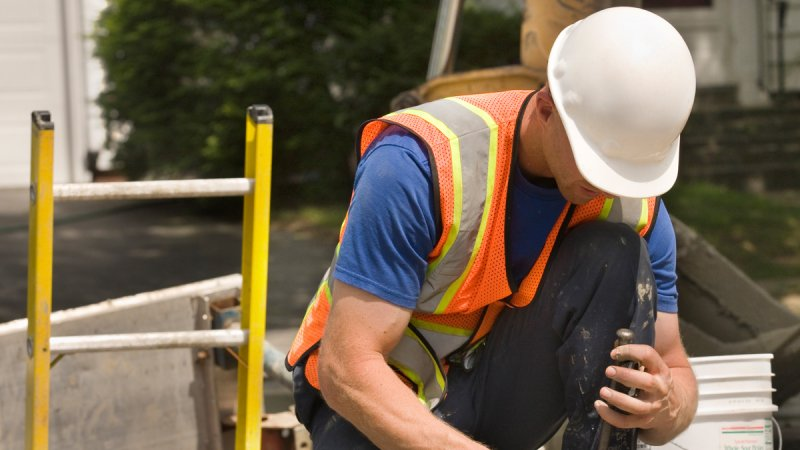
Our related Courses When most people think of “working at height”, they might picture construction workers high on scaffolding or window cleaners up ladders. Though these situations do of course count, the true definition is far broader than that. The Work at Height Regulations 2005 (WAHR) are the main piece of British legislation around the […]
What Different Access Equipment can be used when Working at Height?
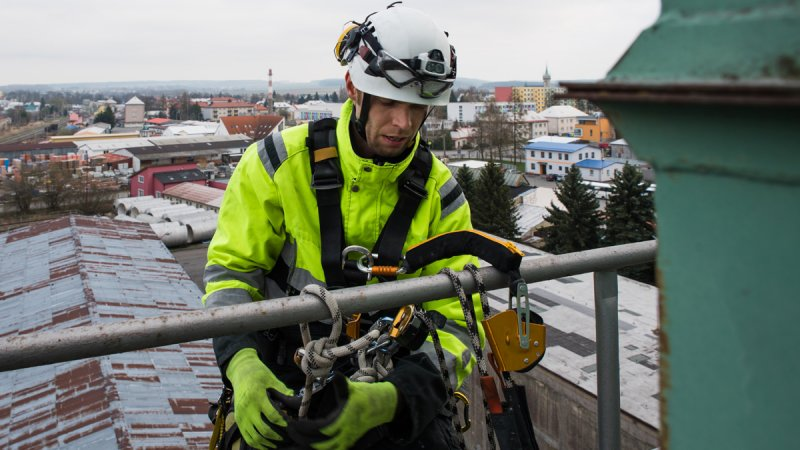
Working at height can be a dangerous part of a worker’s occupation. Responsible for 8% of non-fatal accidents and causing more deaths in the workplace than any other issue, protecting employees from these risks is one of the key responsibilities organisations have. A big part of ensuring staff safety when working at height is choosing […]
What are the Work at Height Regulations 2005?
The Work at Height Regulations 2005 came into effect on 6th April 2005 with the aim of reducing the amount of accidents at work caused by falls from height. The term “working at height” means undertaking any work (whether on, below, or above ground level) where there is a risk of falling, or where objects could […]
What Should a Company’s Due Diligence in Travel Safety Include?

“Due diligence” refers to the steps employers can take in advance to remove or minimise any foreseeable health and safety risk to their employees. All employers have a duty of care to their staff. They have a legal responsibility to ensure their health and safety is protected at all times; this includes the times when […]